Equipment Leasing Broker Training: 7 Mistakes You're Making With Your New Business (and How to Fix Them)
Most new equipment finance brokers flame out within six months. Learn the 7 most common mistakes beginners make—from poor client qualification to ignoring the Canadian market—and how to fix them before they sink your business.
Equipment Leasing Broker Training: 7 Mistakes You're Making With Your New Business (and How to Fix Them)

So, you've decided to break into the world of equipment finance. Smart move. You've seen the numbers, the industry is a trillion-dollar powerhouse, and the idea of sitting at your kitchen table, closing $50,000 deals, and pocketing a healthy commission sounds like the ultimate win.
But here's the cold, hard truth: most new brokers flame out within the first six months.
It's not because they aren't hardworking or smart. It's because they treat this high-level financial career like a "side hustle" they can just figure out as they go. If you want to become a finance broker who actually makes money, you need more than just a phone and a LinkedIn profile. You need a map.
Let's look at the seven most common mistakes new brokers make and, more importantly, how you can fix them before they sink your business.
1. Winging It (The "No-Process" Trap)
The biggest mistake beginners make is lacking a structured workflow. They wake up, send a few random emails, call a local construction company, and hope for the best. When a potential client actually says "yes," they scramble because they don't know what documents to ask for or which lender to call.
Without a process, you look like an amateur. And in equipment finance, looking like an amateur is the fastest way to lose a $100k deal.
The Fix: You need a step-by-step system. From the initial "hello" to the moment the funds hit the vendor's bank account, every move should be planned. Our Equipment Finance Broker Mastery course is built around this exact principle, giving you the "Blueprints" so you never have to guess what comes next.

2. The "Yes Man" Syndrome: Poor Qualification
In the beginning, you're hungry. You want every deal. So when a guy with a 450 credit score wants to lease a half-million-dollar crane for his brand-new startup, you say, "I'll try my best!"
Stop. You just wasted three days of your life on a deal that was dead on arrival.
The Fix: Learn to qualify your clients in the first five minutes. You need to know their credit profile, their time in business, and the type of equipment they need. An expert equipment finance broker knows that saying "no" to a bad deal is just as important as saying "yes" to a good one. It frees up your time to find the "A-Paper" clients who actually get funded.
3. The Ghosting Game (Ignoring the Follow-Up)
Did you know that 80% of sales require at least five follow-ups after the initial meeting? Most new brokers send one quote, wait two days, and if they don't hear back, they assume the client isn't interested.
In reality, that business owner is just busy running their company. They need that tractor; they just forgot to call you back between managing 20 employees and a broken hydraulic line.
The Fix: Automate your follow-up or put it in your calendar. Use a simple CRM to track your leads. If you aren't touching base at least three to five times, you're literally leaving thousands of dollars on the table for another broker to swoop in and grab.
4. The Lone Ranger Approach (No Lender Network)
You can be the best salesperson in the world, but if you don't have a place to "park" your deals, you don't have a business. Many beginners try to sign up with one or two local banks and think they're set. Then, the bank rejects a deal because it's "out of their box," and the broker is stuck.
The Fix: You need a diverse stable of lenders. You need lenders for "A" credit, "C" credit, startups, and specialized equipment. In our equipment leasing broker training, we provide students with a directory of over 50+ lenders. This is the "secret sauce." Having the right connections means you can find a home for almost any deal, whether it's a medical laser in Toronto or a backhoe in Texas.

5. Ignoring the "Great North" (The Canada Oversight)
If you're operating in North America and you aren't looking at Canada, you are missing a massive opportunity. The Canadian market is hungry for equipment financing, especially in sectors like construction, transportation, and green energy.
Ontario's infrastructure boom and the mining rush in BC and Alberta mean there are millions of dollars in equipment needing to be financed right now.
The Fix: Don't limit your geography. The beauty of being an equipment broker is that you can work from anywhere. Whether you're based in Phoenix or Calgary, you can facilitate deals across the border. Understanding the nuances of the Canadian market—like tax benefits and specific provincial regulations—can give you a massive edge over US-only brokers. Check out some opportunities in equipment finance to see how deep the well goes.
6. Being a "Secret" Broker
You've got your business license, your website is live, and... crickets. Why? Because you're keeping your business a secret. New brokers often feel "sales-y" and hesitate to tell their network what they do.
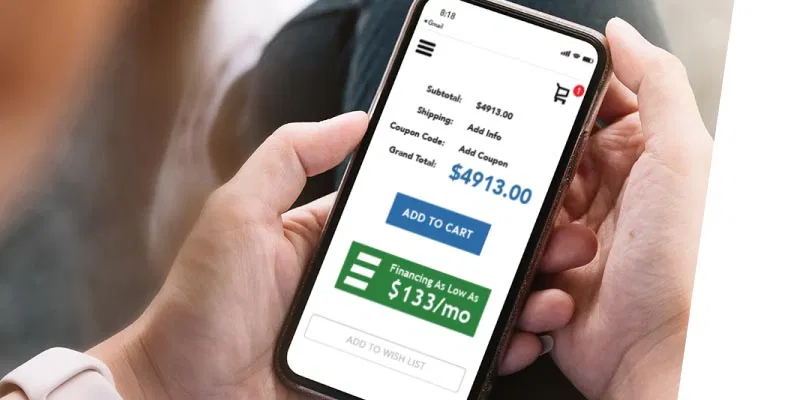
The Fix: Use social proof and clear communication. Show people how you help businesses grow. Use tools like financing calculators on your site to show how affordable equipment can be. When a client sees that a $5,000 monthly payment is easier to manage than a $250,000 cash outlay, the deal closes itself.
7. DIY Learning (Trying to Do It All Alone)
You can spend three years trying to learn this business through YouTube videos and "trial and error." Or, you can spend six weeks learning from people who have already closed thousands of deals.
The "mistakes" mentioned above cost money. A rejected deal might cost you a $5,000 commission. Two rejected deals, and you've lost $10,000. Why pay that "ignorance tax" when you could invest in proper training?
The Fix: Get professional equipment leasing broker training. You wouldn't try to become a pilot by "winging it," so don't do it with your career. The Equipment Finance Broker Mastery course is designed specifically to help beginners skip the "struggle phase" and move straight to closing deals. We teach you how to find leads, how to talk to lenders, and how to structure deals so they actually get approved.
Stop Making Mistakes, Start Making Deals
The path to becoming a successful equipment finance broker is paved with specific, repeatable steps. It's about building a network, mastering the "math" of the deal, and providing massive value to business owners who need equipment to survive and thrive.
Don't be the broker who quits after three months because they couldn't find a lender. Be the broker who has a 50+ lender directory in their pocket and a stack of applications on their desk.
Ready to stop guessing and start building? Watch our free training or jump straight into the Mastery course. Your future self (and your bank account) will thank you.

📘 New to Equipment Finance? Start with our comprehensive Commercial Equipment Financing 101: A Beginner's Guide to learn the fundamentals of this trillion-dollar industry and how to launch your remote brokerage from scratch.
Ready to become an equipment finance & business loan broker?
Get the complete training plus the built-in broker CRM — lender directory, pipeline, document packages, AI deal tools, and marketing scripts in one platform.