How to Become an Equipment Broker in 5 Simple Steps (The 2026 Commercial Equipment Financing Guide)
Have you ever looked at a massive crane on a construction site, a row of delivery trucks, or a high-end medical laser and wondered, "How does a business actually afford that?"
How to Become an Equipment Broker in 5 Simple Steps (The 2026 Commercial Equipment Financing Guide)
![[HERO] How to Become an Equipment Broker in 5 Simple Steps (The 2026 Commercial Equipment Financing Guide)](https://cdn.marblism.com/2_nVKWfpP1q.webp)
Have you ever looked at a massive crane on a construction site, a row of delivery trucks, or a high-end medical laser and wondered, "How does a business actually afford that?"
The answer is almost always commercial equipment financing. In 2026, this is a staggering $1.3 trillion industry in North America alone. Every day, businesses across the United States and Canada, from small mom-and-pop shops to massive tech conglomerates, need new tools to grow. But they don’t always have the cash upfront, and their local banks are often too slow to help.
This is where the equipment broker comes in. As an equipment finance broker, you act as the essential bridge between a business that needs gear and the lenders that have the capital. It’s a 100% remote business model where your primary "inventory" is information and relationships. You don't need a warehouse, you don't need to carry debt, and you definitely don't need a suit and tie.
If you’re looking for a high-income career change or a serious side hustle, here is your five-step roadmap to becoming a successful equipment broker in 2026.
Step 1: Learn the Ropes (The Mastery Phase)
You can't just wake up one morning and start brokering $500,000 deals without understanding the language of the industry. While you don't need a formal finance degree, you do need to understand concepts like Tier 1 vs. Tier C credit, lease-to-own structures, and the difference between an FMV (Fair Market Value) lease and a $1 Buyout.
The fastest way to skip the years of "trial and error" is to enroll in a structured program like the Equipment Finance Broker Mastery course. Many beginners make the mistake of trying to piece together information from YouTube, only to find themselves confused by conflicting advice or outdated regulations.
In 2026, the landscape has changed. With the rise of AI-driven underwriting, you need to know how to present a deal so that an algorithm (and a human credit officer) will say "yes." Whether you are starting with zero experience or coming from a sales background, getting certified boosts your credibility with both clients and lenders. Organizations like the NAELB (National Association of Equipment Leasing Brokers) provide great networking, but a specialized mastery course gives you the actual step-by-step "how-to."

Step 2: Set Up Your Home Office
One of the biggest draws of this industry is the low barrier to entry regarding overhead. To launch your brokerage, you really only need two things: a reliable laptop and a professional phone setup.
However, "setting up" also means legitimizing your business. You’ll want to:
- Form a Legal Entity: Most brokers start as an LLC (or a Corporation in Canada). This protects your personal assets and makes you look like a pro to lenders.
- Get Insured: Look into Errors and Omissions (E&O) insurance. It’s a small monthly cost that provides massive peace of mind.
- Digital Presence: You don't need a 50-page website, but you do need a professional landing page that clearly states what industries you serve.
The goal is to create a 100% remote brokerage that allows you to work from a home office, a coffee shop, or even while traveling. In the digital-first economy of 2026, clients care more about your ability to get them funded than whether you have a physical office on Wall Street.
Step 3: Find Your Niche
In the world of equipment finance, the "Generalist" is often the one who struggles. The "Specialist" is the one who thrives. By picking a niche, you learn the specific equipment values and the unique challenges of that industry.
Here are three high-growth niches for 2026:
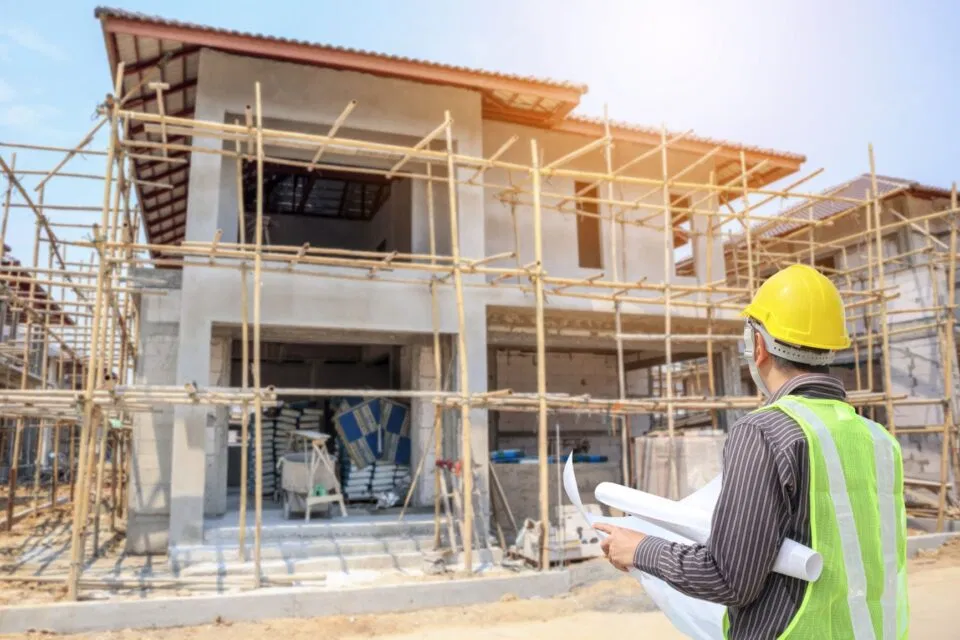
- Construction & Infrastructure: With massive government spending on roads and bridges in both the US and Canada, construction firms are constantly in need of excavators, cranes, and specialized paving equipment.
- Medical & Healthcare: From MRI machines to dental chairs, medical equipment is expensive and almost always financed. It’s a "recession-proof" industry that provides steady deal flow.
- AI & Tech Infrastructure: This is the "Gold Rush" of 2026. Companies are scrambling to finance GPU clusters and high-end servers to keep up with the AI boom.
Choosing a niche allows you to speak the client's language. When you talk to a project manager about construction equipment financing, you aren't just a "finance guy": you’re a partner who understands their world.
Step 4: Build Your Lender Network
Your "product" as a broker is the money. If you only have one lender, you can only help one type of client. To be successful, you need a diverse stable of funding sources.
The Equipment Finance Academy provides students with a 50+ Lender Directory, which is essentially a cheat code for new brokers. You need:
- A-Paper Lenders: For clients with 750+ credit scores who want the lowest possible rates.
- B & C-Paper Lenders: For businesses with some "bruised" credit or those who have been in business for less than two years.
- Story Lenders: Lenders who look past the numbers and listen to the "story" of why the business needs the equipment.
In Canada, this might include specialized divisions of the Big Five banks or independent lease-finance companies that understand the unique tax implications of GST/HST on equipment. Having a broad network ensures that when a deal hits your desk, you know exactly where it fits.

Step 5: Start Prospecting and Closing Deals
Now for the fun part: making money. The most common question beginners ask is, "How do I find clients?" While cold calling is an option, the most successful brokers focus on Vendor Partnerships.
Instead of finding one guy who needs one truck, you find the dealership that sells 100 trucks a year. You become their "in-house" financing partner. When they have a customer who can't pay cash, they send them to you. You get the deal funded, the vendor gets their sale, the customer gets their truck, and you earn a commission.
The Math of a Deal: Let’s say you help a construction company finance a $150,000 backhoe. Depending on the lender and the deal structure, a typical broker commission ranges from 3% to 8%.
- $150,000 x 5% = $7,500 commission.
Check out how a simple online checkout for equipment can show customers the power of low monthly payments versus a massive cash outlay. Your job is to make that transaction seamless.

Conclusion: Your Path to Financial Freedom
Becoming an equipment broker isn't a "get rich quick" scheme, but it is one of the most reliable ways to build a high-income business with zero inventory and minimal overhead. By following these five steps: learning the industry, setting up your shop, picking a niche, building your lender network, and focusing on vendor relationships: you can create a lifestyle of flexibility and significant earnings.
Are you ready to stop sitting on the sidelines of the $1 trillion equipment finance industry?
Join the Equipment Finance Broker Mastery : Complete Course today and get the tools, the lender list, and the training you need to close your first deal.

#EquipmentFinance #BrokerLife #SideHustle2026 #CommercialLending #FinancialFreedom #SmallBusinessCanada #AssetFinance
Ready to become an equipment finance & business loan broker?
Get the complete training plus the built-in broker CRM — lender directory, pipeline, document packages, AI deal tools, and marketing scripts in one platform.