Equipment Seller Financing: Buy From a Private Seller & Fund It (2026)
Step-by-step equipment seller financing playbook: inspections, title, UCC checks, and lenders who fund private-seller purchases in under a week.
Most banks won''t touch a private party equipment purchase. The seller is some guy on Facebook Marketplace with a 2018 skid steer in his driveway. There''s no dealer invoice, no warranty, no nice tidy paper trail. The buyer has the cash flow to make payments — but no lender will write the check.
That gap is exactly where smart buyers (and even smarter brokers) are winning in 2026. This guide walks you through how to actually buy equipment from a private seller and finance the sale the right way — and at the end, we''ll show you why the people arranging these deals are the ones quietly building real businesses.
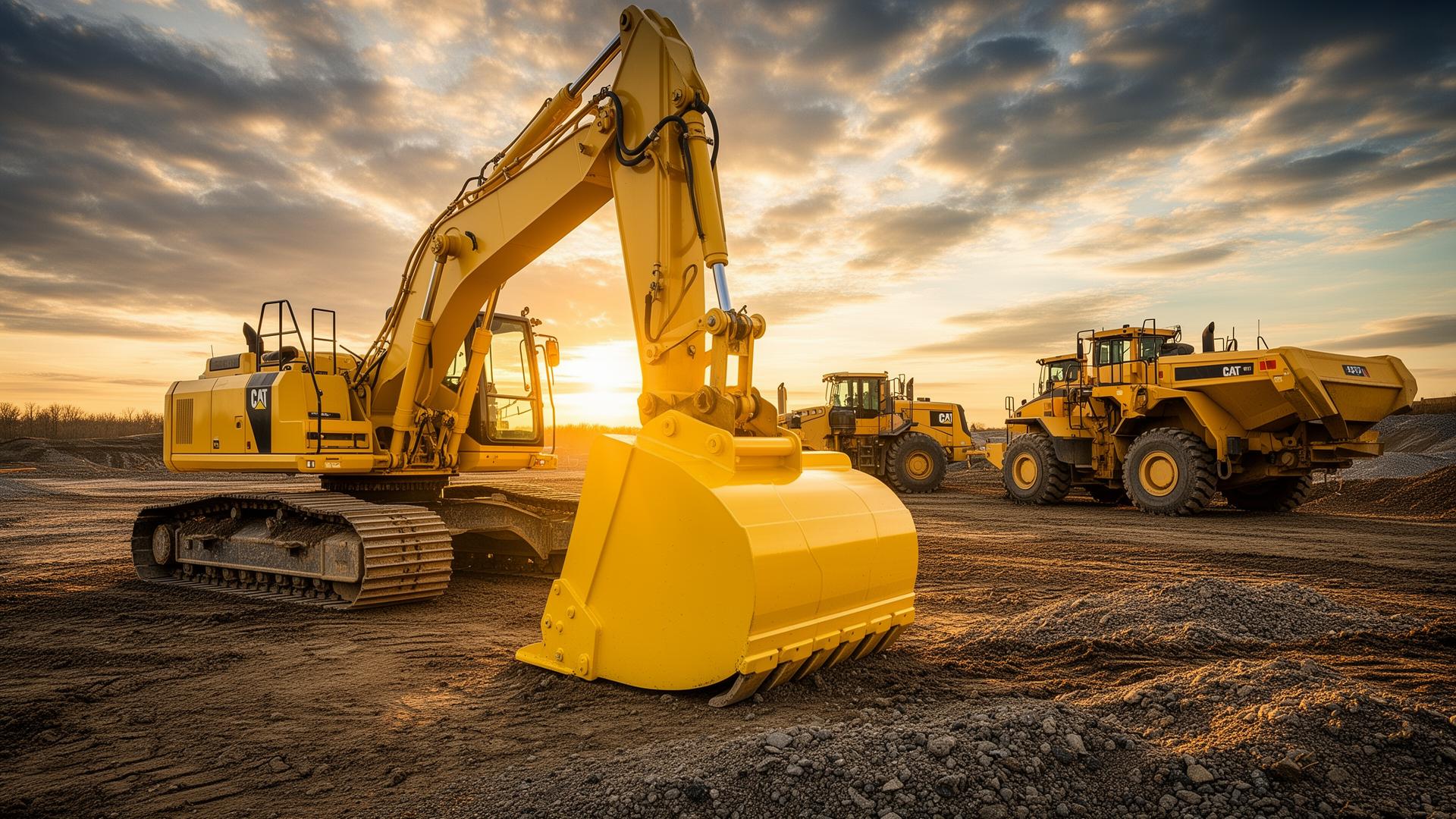
Why private party equipment deals exist in the first place
Used equipment trades hands every single day on Facebook Marketplace, Craigslist, IronPlanet, Machinery Trader, auction sites, and through word of mouth. Buyers love private party deals because:
- Pricing is typically 15–30% below dealer retail.
- Inventory is available right now — no 6-month wait list.
- You can negotiate directly with the owner who actually ran the machine.
But there''s a catch. The big banks, captive lenders, and most online "fintechs" simply will not finance a private party transaction. They want a dealer, an invoice, and a clean title chain. So the buyer either pays cash, walks away, or finds a broker who knows how to structure it.
The 7-step process to buy equipment from a private seller and finance it
Step 1 — Find the equipment and verify it''s real
Before you fall in love with a machine, confirm the listing is legitimate. Ask for:
- Serial number / VIN of the equipment
- Recent photos with today''s date written on a piece of paper in the shot
- Maintenance records and hour meter readings
- The seller''s full legal name and address
If the seller hesitates on any of these, walk away. Equipment scams are very real.
Step 2 — Run a lien and title check
This is the step most buyers skip and later regret. You need to know if the equipment is free and clear. Run:
- A UCC lien search in the seller''s home state (and the equipment''s home state if different)
- A title check if the equipment is titled (over-the-road trucks, trailers, certain RVs)
- A serial number check against stolen equipment databases like NER (National Equipment Register)
If a lien shows up, the existing lender must be paid off at closing — directly, not through the seller. Wiring money to a seller who promises to "pay off the loan later" is how people lose six figures.
Step 3 — Get a real inspection
For anything over $25,000, pay a third-party inspector. For yellow iron, hire a heavy equipment inspector. For trucks, use a certified diesel mechanic. For medical or specialty equipment, use a manufacturer-certified tech. Expect to pay $300–$800. It is the cheapest insurance you''ll ever buy.
Step 4 — Lock in financing before you sign anything
This is where 90% of private party buyers get stuck. Walk into your local bank and they''ll say no. Apply online at the big-name fintechs and they''ll say no. You need a lender that specifically funds private party equipment transactions.
These lenders do exist — there are dozens of them across the U.S. and Canada — but they don''t advertise to consumers. They work through equipment finance brokers. A broker who knows the niche can usually get a private party deal pre-approved in 24–48 hours with:
- A one-page application
- 3 months of business bank statements
- A copy of the listing or bill of sale
- Photos and serial number of the equipment
Rates on private party deals run a little higher than dealer-financed paper — typically 2–4 points above standard equipment finance rates — because the lender is taking on more title and condition risk. Terms run 36 to 72 months depending on equipment age and type.
Step 5 — Use a proper bill of sale and purchase agreement
Verbal handshakes don''t fund. The lender will require:
- A signed bill of sale with full legal names, addresses, serial numbers, purchase price, and "as-is" language
- A copy of the seller''s government-issued ID
- Sometimes a notarized signature, depending on the state and dollar amount
Step 6 — Fund through escrow, not directly to the seller
The lender will not hand cash to your seller. Instead, the lender wires the purchase price either to an escrow agent or directly to the seller''s lien holder (if a payoff is involved) and any remaining balance to the seller — only after title and inspection conditions are confirmed. This is the part that protects everyone, and it''s exactly why buyers need a broker who knows the funding choreography.
Step 7 — Take delivery and file the lien
Once funds are released, you take possession of the equipment. The lender files a UCC-1 financing statement in your state listing the equipment as collateral. You start making monthly payments. Done.
Common mistakes that kill private party deals
- Sending a deposit before the lender has approved the file. If the deal falls through, that deposit is usually gone.
- Buying from an out-of-state seller without an inspection. Pictures lie. Hour meters get rolled back. Inspectors don''t.
- Ignoring the existing lien. If you wire the seller and he doesn''t pay off his lender, the original lender can repossess your equipment.
- Trying to use a personal loan or HELOC instead of equipment financing. You lose the tax treatment (Section 179 in the U.S., CCA in Canada) and tie up personal credit you''ll need later.
- Working with a "broker" who only has one or two lenders. Private party deals get declined for dozens of small reasons. You need someone with a real network.
The opportunity hiding in plain sight
Here''s what most people reading this article will never realize: the broker arranging this deal is making more money than the seller.
On a typical $80,000 used skid steer purchase from a private seller, the broker can earn $3,200–$6,400 in commission for one deal that takes maybe 4–6 hours of total work spread over a week. Bigger deals — cranes, sleeper trucks, machine tools, medical imaging equipment — pay $8,000 to $25,000 per closing. And these deals come up constantly because dealer inventory is expensive and used equipment is everywhere.
The reason most people never break into this business isn''t intelligence or capital. It''s that nobody ever showed them:
- Which lenders actually fund private party deals
- How to structure the bill of sale, escrow, and lien payoff
- How to find buyers and sellers who need this service
- How to price the deal and protect your commission
If you''ve ever looked at a Facebook Marketplace listing for a used excavator and thought "somebody is making money on this," you were right. It just wasn''t the buyer or the seller.
Become the broker, not just the buyer
The Equipment Finance Academy was built for exactly this moment. Inside the course you get:
- The complete private party financing playbook — every form, every script, every escrow workflow
- Our vetted lender network for private party, sale-leaseback, and dealer transactions
- An AI-powered CRM, lead finder, and outreach toolkit so you can start sourcing deals on day one
- The "Best-Fit Lender" matching tool so you stop wasting time guessing who will fund what
- Done-for-you marketing assets, social templates, and a Craigslist ad generator
It''s a complete Broker Operating System — a turnkey business in a box for someone who wants to build real income solving a real problem that the banks refuse to touch.
One closed private party deal pays for the course many times over. And once you''ve done the first one, the second, fifth, and tenth get dramatically easier.
Read next
- Private Party Equipment Financing: The Broker''s Playbook for 2026
- Equipment Sale-Leaseback: Unlock Cash From Equipment You Already Own
- All blog posts →
Ready to stop being the buyer and start being the broker? Get instant access to the Equipment Finance Academy — full training, vetted lender network, CRM, AI tools, and templates — for a one-time $97. Average first deal closes in 30 days. Enroll now →
Turn equipment seller financing into commission income
Private-seller purchases confuse most buyers — and pay brokers well. Get the inspection, title, lien, and funding workflow step by step.
Get the full workflow — $97